

For fuel retail networks
Every litre accounted for, from the delivery to the paid sale.
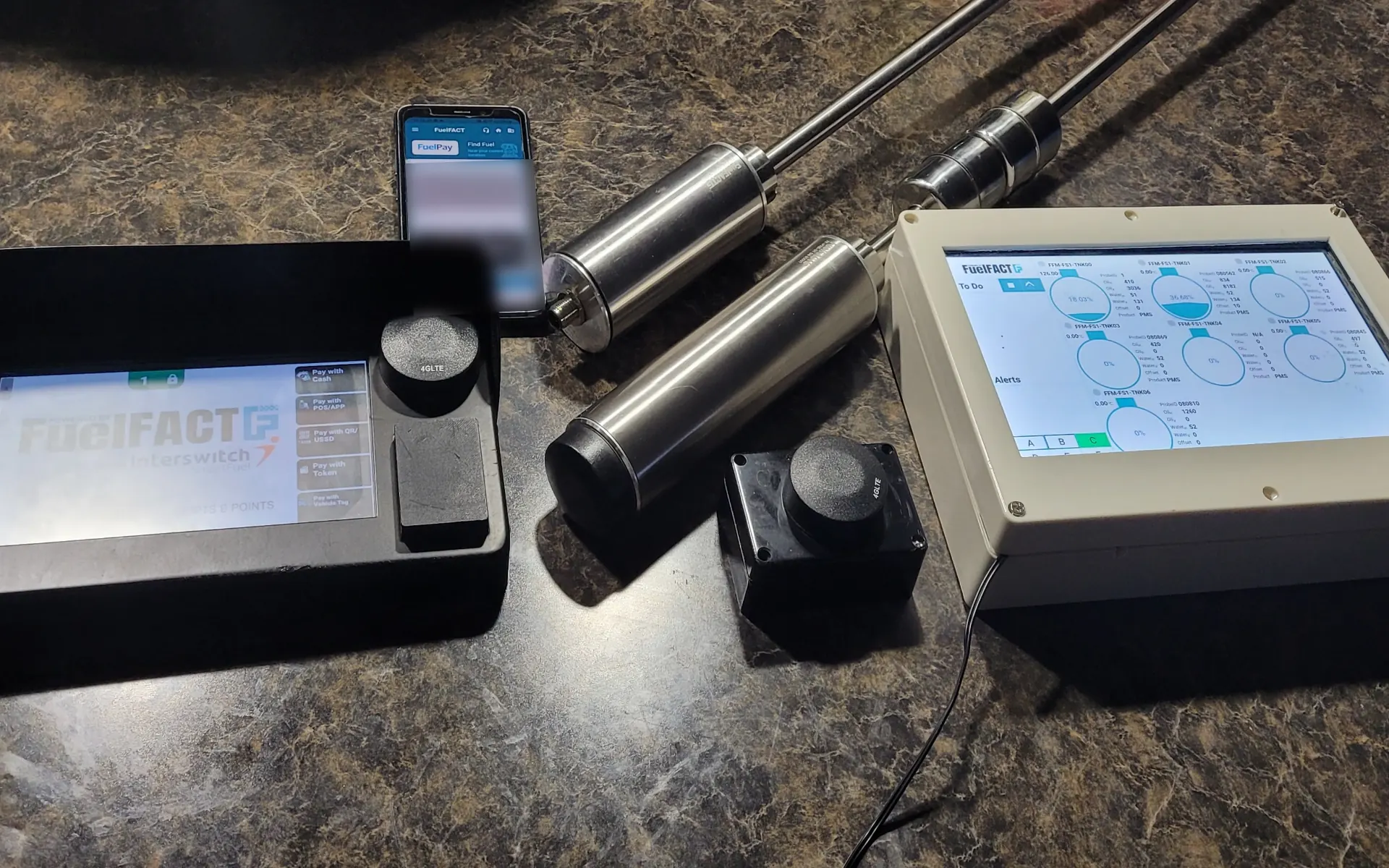
A growing network loses money in the gaps between the tank, the pump and the till. FuelFACT closes those gaps with equipment at every station and one portal for head office, regions and station managers.
Tank, pump and payment
Three records that have to agree
Each station reports what left the tank, what the pumps sold and what was paid. When one of them disagrees with the others, you see where and when, instead of finding out at the next audit.
The tank
Probes report fuel level, volume, water and temperature through the day, and density where the probe measures it. Every reading is kept per tank.
The pump
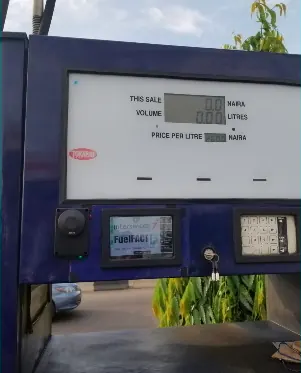
Every sale with its nozzle, product, litres, price and attendant, plus totalizer readings from the pump itself to check the sales against.
The payment
A cashless payment is bound to one pump and used by one sale. Card settlement is confirmed against the processor's report, not assumed.
Attendants and cash
No trust needed at the pump
- Attendants sign in at the pump before they dispense, so every litre is linked to the person who sold it.
- Pumps lock from the portal after hours, during a dispute or while a tank is being filled. The pump confirms it, and the action is recorded by name.
- POS payments are matched to pump sales. A payment that cannot be matched goes to a supervisor to resolve, with a note.
- Daily remittance sets cash, POS, bank lodgements and expenses against the day's sales. A second person approves or declines it.
Supply, cost and margin
From the truck to the margin on each litre
Deliveries are measured by the tank itself, and their cost follows the fuel all the way to the sale.
Checked deliveries
A delivery is detected from the tank readings and compared with the waybill, allowing for sales during the drop. The invoice, truck and driver are recorded with it, and it is confirmed or rejected.
Cost and margin per sale
Each delivery's cost per litre becomes a stock lot in the tank. Sales draw on the oldest lot first, so every sale carries its cost and gross profit, by tank, product and station.
Reorder rules
Set reorder levels by tank, product, station or region. FuelFACT checks them on a schedule and emails the people responsible before a station runs dry.
Tankers on the road
Tankers fitted with FuelFACT probes report what is in each compartment and where the truck is, so you know what is on the way.
Prices
Set prices once, and know they took effect
- Network-wide changes
- Change the price for one pump side, a station, a region or every station, now or at a set time. Each pump side confirms the new price, and any side that has not is shown.
- Price history
- Every change is recorded with who made it and when, so the price on any day can be checked.
- Competitor prices
- Station managers record nearby competitors' prices, and the portal shows the trend next to your own.
Built for local conditions
Designed for the forecourts you actually run
Mixed dispensers
The controller speaks the protocols of Gilbarco and the Chinese dispenser brands common on Nigerian forecourts, so you keep the pumps you have.
Mobile data links
Pumps and tank consoles report over 4G, with no fixed line needed. The station health view shows any equipment that has gone quiet.
Payments that survive a lost connection
FuelPAY QR codes are signed, and the pump checks the signature itself, so QR payments still work when the station is offline.
Cash and cards side by side
Cash, bank cards through Interswitch, pay codes, QR, the myFuelPAY app and fleet accounts, all tied to the same sale records.
Your data
Open to your finance and analysis tools
Your sales, stock and payment records belong to you. FuelFACT makes them available to the systems your finance and analysis teams already use.
API access
Your systems pull sales, tank readings, stations, pumps and products through an API with their own keys.
A copy in your own database
FuelFACT can keep a copy of your records in your own database, ready for your ERP, reporting or BI tools.
Reports on schedule
Sales, tank, delivery and remittance reports as PDF, Excel or CSV, on screen or by email on a schedule.
Customers and partners
Banks, fintechs and fleet platforms can take part through a partner API with signed requests.
Growing the network
New stations, live from day one
- 01
Import the station
Stations, tanks, pumps, nozzles and products are set up from a workbook, so a new site is in the portal before it opens.
- 02
Fit and calibrate
Our team fits a controller on each pump and a probe in each tank, and loads each tank's calibration chart.
- 03
Give people access
Head office, regional and station roles decide who sees and changes what, station by station.
- 04
Keep it running
Equipment health, signed firmware updates over the air, and a support desk that knows each device's history.
Planning new stations, or bringing existing ones together?
Tell us how many stations you run and plan to open, and we will show you how FuelFACT would cover them.
Next: Forecourt automation